By Helena Dell’Armi
While streaming services are taking over films and television, young people are returning to the cinema, not just out of nostalgia, but also because they need something that streaming cannot replicate. Cinemas offer the experience of collective attention, where all the people in one room are paying attention to the big screen in front of their eyes. The dark room, the tall screen, and the silence shared by strangers all turn into an event rather than just background noise.
The real thing is, cinema has always been around. For a big part of the 20th century, cinema was one of the main ways people would find storytelling. From silent films to the golden age of Hollywood, going to the movies was a social ritual. However, this dominance began to fade with the arrival of streaming platforms such as Netflix, which launched in 2007. It became so accessible that people did not bother to watch what was in theatres anymore, and the 2020 pandemic only pushed that idea even further.
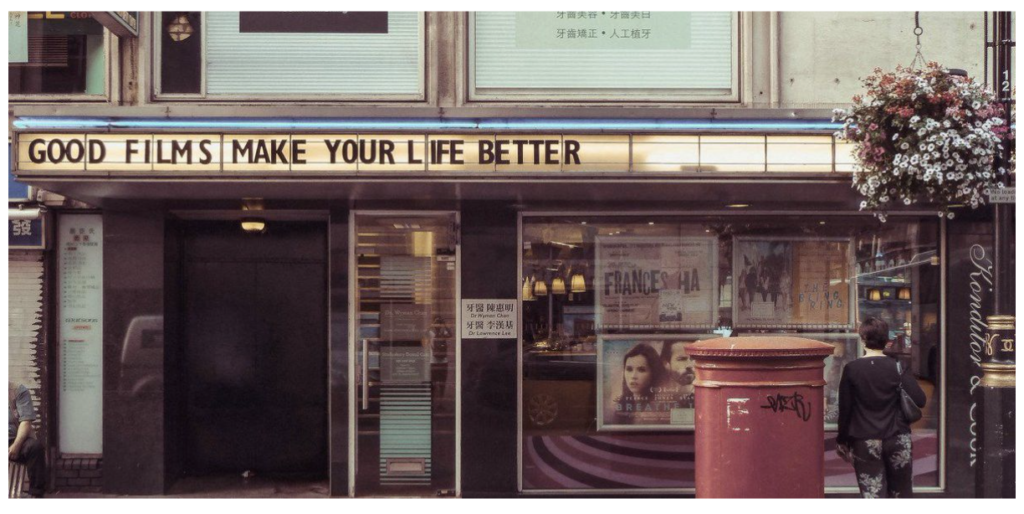
Amazingly, movie theatres have been recovering from this break due to people’s newfound passion for film among the young generations. According to Cinema United, the number of habitual moviegoers grew by 8% in 2025, with 41% of Gen Z audiences going six times or more, in comparison to 31% in 2022.
People enjoy watching, analysing, and talking about films they have watched, and this has only increased with time. The introduction of the app ‘Letterboxd’, in which people can log and review any movies they watch, created a large community of film enthusiasts who have a space to express their interests.
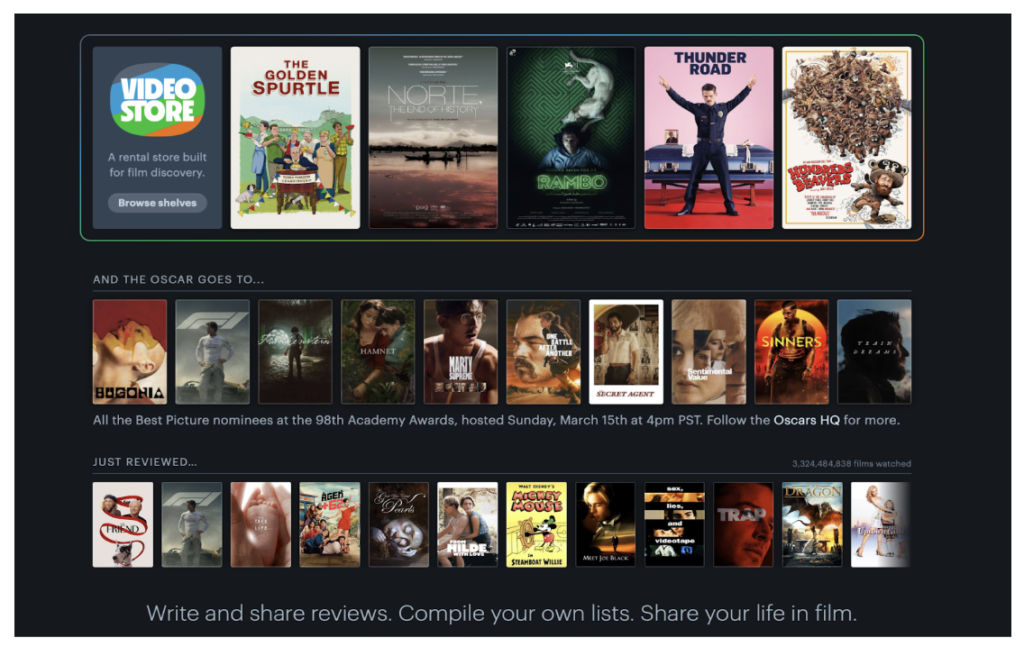
Many people will stay after the movie ends just to log their review onto the app and see what other people have rated, adding to that sense of community. It is almost something extra you look forward to when the film ends.
As well as Letterboxd, other social media outlets have played a big part in how people view cinema and films. Platforms such as TikTok and Instagram transformed the experience of going to the movies from an isolated event to ongoing conversations and a place to engage with movie discussions. This collective buzz fuels people not only to revisit movie theatres but also seek unique cinematic experiences that may have been overlooked.
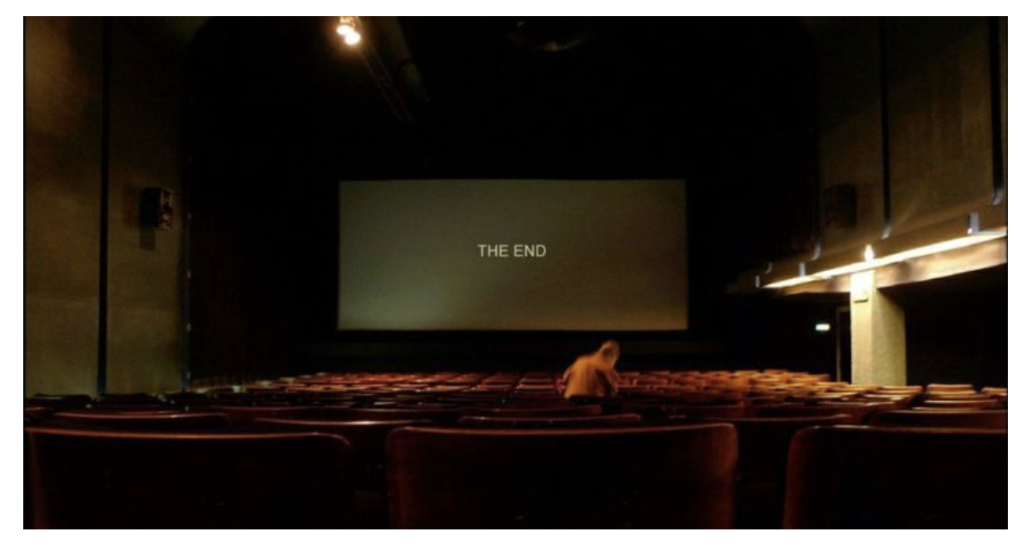
When watching movies on streaming platforms, people will often report that they don’t remember anything from the movie because they stayed on their phones the entire time. At the cinema, however, people tend to just stay focused on what is going on in front of them, even the most addicted to their phones can focus on the screen.
“I think with the atmosphere in the cinema, the phone distracts me less. I am immersed in the experience, it’s like a distraction from reality”, says 20-year-old Chloe Halpin, who frequently goes to the movies.
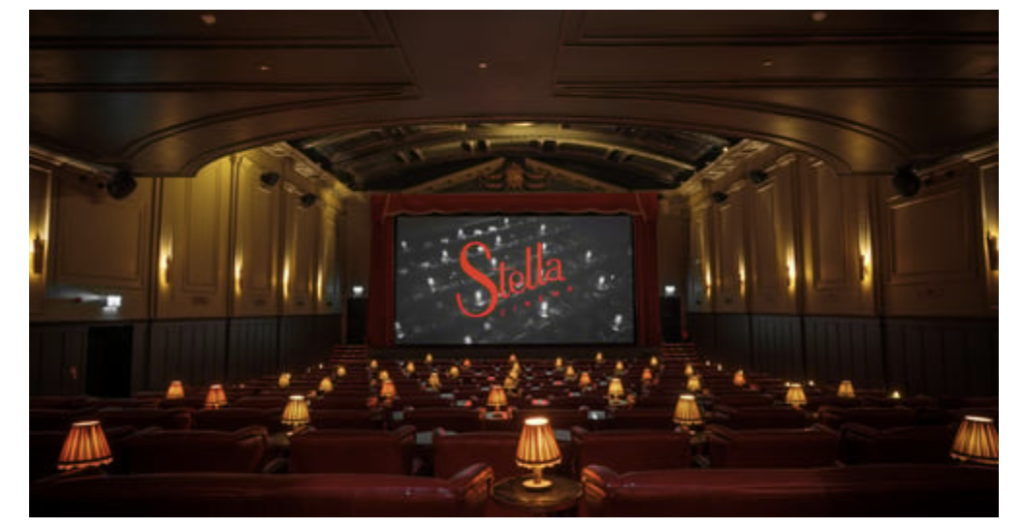
To add to cinema’s “comeback”, movie theatres are adapting different technologies to the screens, such as IMAX and Dolby Cinema. These technologies offer an experience that even high-quality television screens can’t 100% replicate. Not only are the screens and sound considered better, but cinemas across the world are adapting to a vintage approach. The Stella Cinema, located in Rathmines, Dublin 6, brings an old Hollywood look to its screens with its architecture and classic movie screenings. The theatre first opened its doors in 1923, and it is now ranked the 14th most beautiful cinema in the world.
Although streaming services have influenced a large part of the entertainment industry because of how convenient it is to have films and shows on standby, cinema is still alive and breathing. Many people still think of going to watch a movie on the big screen with the sound effects in the room, and with the wave of new film lovers, this preference will continue to grow.