By Aria Kazi
Where did the term Nepo babies come from? And why do we use it to describe so many well-known artists today?. In case you are unsure of the term Nepo Babies, the classification of Nepo Babies is nepotism baby. The definition dates back further than a nepo baby. It dates back to the 17th-century Italian népotisme, which is derived from the word nipote (nephew), who was described as the pope’s favourite. It was later discovered that he was actually the pope’s biological son.
However, coming to the 21st century, the term has resurfaced again and came back in the early 2010s but exploded in 2022, especially on social media, TikTok, and Instagram. People became obsessed with uncovering which celebrities had famous parents and whether their success was actually self-made.
However, in the music industry, this discussion involves more complex issues around creativity, ownership, and collaboration.
It might feel like artists came from out of nowhere. One day, they are not as well known, and as we listen to these new artists, they become more and more popular and dominate streaming charts, but are they actually self-made, or are they powered by family connections and industry backing?
The Hidden Advantage
Many fans say that being a nepo baby in the music industry doesn’t exactly mean that they aren’t talented enough or don’t care about music. It’s more so they believe more in authenticity and meritocracy and think that is more important to the music itself. They believe that skipping the financial and entry-level struggles and immediate top marketing shows a huge unfair advantage towards other artists.
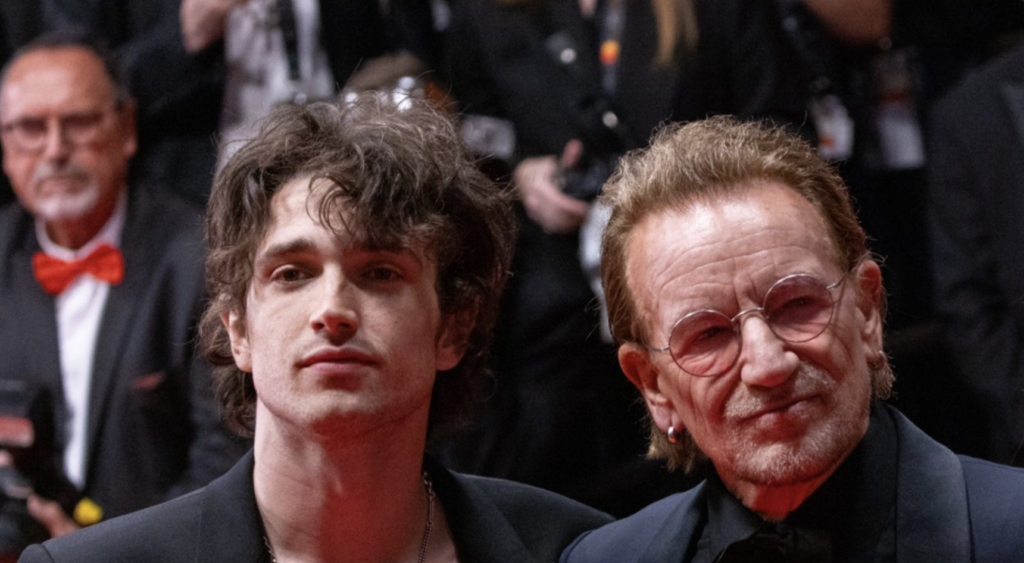
Gracie Abrams, daughter of filmmaker J.J Abrams, or Lily Allen, daughter of actor Keith Allen, or even Elijah Hewson, the lead vocalist of the Irish band Inhaler, is often considered a “nepo baby” as he is the son of U2’s Bono. (Hewson has openly acknowledged this, jokingly calling himself a “very mini nepo baby”). These artists have proven their songwriting ability and built a loyal fanbase, but it may seem naive to assume that their background played no role in opening doors.
Aspiring musicians usually break into the music industry after years of unpaid gigs, networking, self-funding and luck. And the prevalence of nepotism fosters a perception that success is based on “who you know”, which is disheartening to the self-made artists. In some contexts, Nepo Babies can end up in the music industry to carry down legacy or Business investments rather than organic passion. Then again, there are double standards where Nepo babies are recognised for their talent and are immediately dismissed since they provide a faster and smoother start.
Impact of Industry Plants
Closely linked to the nepo baby debate is the concept of the “industry plant.” Nepotism refers to family connections, but an industry plant is someone who is presented as independent or self-made but is actually heavily backed by the label from the beginning.
It’s a subtle difference, but a nepo baby’s advantage is often visible if you look closely. An industry plant’s advantage is often hidden behind a carefully curated narrative.
Originally, the term itself came from hip hop when rappers began to lie about their background, for example, Lil Nas X or Ice Spice. Their sudden rise to fame in 2022 left people questioning how sudden it was and how they skipped the traditional long-term route that many fans expect from new artists.
In 2022, Ice Spice went viral, with early work with producer RIOT, major marketing support, and high-profile collaborations like her feature with Taylor Swift raised questions about her success. Similarly, Lil Nas X’s record-breaking hit “Old Town Road” and his quick move from independent promotion to a deal with Columbia Records fueled speculation that industry executives were orchestrating his rise. Being labelled as a plant can undermine artists legitimacy, even if they have talent.
A couple of articles say that they believe that accusations of being an industry plant are disproportionately aimed at women, e.g. The Last Dinner Party, Phoebe Bridgers, which is kinda formed as a misogyny that dismisses their hard work.
Overall consequences on the music industry
The core argument is that increasing perceptions of manufactured success in music, through nepotism and industry plants, undermines trust in talent and authenticity. This tension raises the question: does merit alone determine artistic achievement, or do connections and strategic promotion play a larger role?